


You witnessed Bitcoin’s birth when Satoshi encoded a bank bailout headline into the January 2009 genesis block—a political statement against centralized control. Early cypherpunks verified the whitepaper’s cryptography through forums, validating the consensus model. You could mine Bitcoin on your laptop then, drawing believers who shared this vision to IRC channels and the Bitcointalk forum. Community members coordinated around scarcity and decentralization, building loyalty through volatility. Discover how this movement transformed from niche forums into a global phenomenon.
Table of Contents
Brief Overview
- Bitcoin’s genesis block on January 3, 2009, encoded a political statement against centralized monetary control and bank bailouts.
- The Bitcoin whitepaper, released October 2008, underwent peer review by cryptographers who validated the consensus model’s technical effectiveness.
- Early adopters connected through niche forums, mailing lists, and the Bitcointalk forum launched November 2009 to coordinate and share knowledge.
- Respected cryptographers launched early nodes, fostering community trust by technically verifying the SHA-256 implementation solved the double-spending problem.
- Early miners using standard CPUs attracted believers in cryptography who understood Bitcoin’s potential, bonding through IRC channels and mining pools.
Satoshi’s Launch: Bitcoin’s First Block and the Cypherpunk Foundation

Bitcoin’s genesis block on January 3, 2009, wasn’t just a technical milestone—it encoded a deliberate political statement rejecting centralized monetary control. Satoshi Nakamoto embedded a Times headline in that first block: “Chancellor on brink of second bailout for banks.” You’re looking at a timestamp of defiance, a direct reference to the 2008 financial crisis that exposed why peer-to-peer digital currency mattered.
Satoshi’s vision drew directly from cypherpunk ethos—decades of cryptographic research and libertarian philosophy prioritizing privacy and decentralization. The cypherpunk movement had spent years developing the mathematical tools Bitcoin would use: proof-of-work, digital signatures, hash functions. You’re inheriting a protocol designed by someone who understood both the technical depth and moral urgency of removing intermediaries from money itself. This foundational moment established Bitcoin as a symbol of decentralization in finance, reflecting a broader desire for economic autonomy.
Bitcoin’s Cryptography Community Recognizes the Answer
When Satoshi released the Bitcoin whitepaper in October 2008, the cryptography community didn’t greet it with universal acclaim—they scrutinized it.
Your peers weren’t dismissive; they were rigorous. The community dynamics shifted as cryptographers examined Satoshi’s proof-of-work mechanism against established cryptographic principles. What emerged wasn’t blind acceptance but earned recognition.
Key validation points you’d have witnessed:
- Peer review in forums: Cypherpunks dissected the whitepaper’s consensus model across mailing lists
- Technical verification: Experts confirmed SHA-256 implementation matched academic standards
- Problem-solution alignment: The community recognized Bitcoin solved the double-spending issue without trusted intermediaries
- Practical testing: Early nodes launched by respected cryptographers verified the code matched the theory
This recognition wasn’t hype. It was the cryptography community recognizing that Satoshi had answered a decades-old challenge they’d been debating since the 1980s. Furthermore, the regulatory challenges surrounding cryptocurrency adoption would later emerge as a significant hurdle to its widespread acceptance.
Mining Bitcoin on a Laptop: The First Adopters
In the months following Bitcoin’s October 2008 whitepaper release, you could’ve mined the entire network’s early blocks on consumer hardware—a laptop with a standard CPU was enough. Early adopters ran the network from bedrooms and home offices, securing transactions without specialized equipment.
| Year | Block Reward | Difficulty | Hardware |
|---|---|---|---|
| 2009 | 50 BTC | 1 | CPU |
| 2010 | 50 BTC | 16,307 | GPU emerging |
| 2011 | 50 BTC | 244,000+ | GPU standard |
| 2012 | 25 BTC | 4.3M | ASIC arrival |
| 2013 | 25 BTC | 1B+ | ASIC dominant |
This laptop mining era defined Bitcoin’s earliest security model. You didn’t need venture capital or industrial operations—just curiosity and processing power. That accessibility attracted the first wave of believers who understood cryptography’s promise and chose to participate directly in securing the network. The simplicity of this early mining setup laid the groundwork for the development of high-performance ASIC miners that dominate the industry today.
How Bitcoin’s Early Community Found Each Other

Before Bitcoin had exchanges, price charts, or mainstream media coverage, the network’s earliest participants had to actively seek each other out. You’d find early adopters clustered in niche forums and mailing lists where technical enthusiasts debated cryptography and peer-to-peer systems.
Community building happened organically through:
- The Bitcointalk forum, launched in November 2009, where Satoshi Nakamoto posted directly alongside developers
- Cryptography mailing lists where researchers discussed the protocol’s security model
- IRC channels where miners coordinated and shared pool information
- Early blogs documenting node setup and wallet generation for newcomers
These spaces weren’t polished. They were technical, sometimes hostile, but they served a purpose: connecting people who believed decentralized currency was possible. Your ability to find others depended on knowing where to look and having the technical literacy to participate meaningfully.
Bitcoin’s First Real Transactions: From Concept to Reality
Bitcoin remained theoretical until someone actually used it to buy something. On January 12, 2009, Satoshi Nakamoto sent 10 BTC to computer programmer Hal Finney—the first known Bitcoin transaction on the network. This Genesis transaction proved the concept evolution from white paper to working currency.
What followed wasn’t commerce yet; it was validation. Early adopters mined blocks, tested the protocol, and moved coins peer-to-peer to confirm the system actually worked. You couldn’t spend Bitcoin anywhere real in 2009. Exchanges didn’t exist. Wallets were command-line tools requiring technical skill.
But those Genesis transactions mattered. They established that Nakamoto’s design functioned as intended—decentralized, irreversible, and censorship-resistant. The concept evolution from abstract cryptography to tangible digital asset had begun. Moreover, the decentralized nature of Bitcoin would later empower individuals in underserved regions, enhancing financial access globally.
The Mt. Gox Era: Where Bitcoin First Got a Price
While early Bitcoin transactions proved the network worked, they told you nothing about what Bitcoin was actually worth. Mt. Gox changed that. Founded in 2006 as a Magic: The Gathering Online exchange, the platform pivoted to Bitcoin trading in 2010 and became the first real price discovery mechanism for the nascent asset.
Mt. Gox’s significance:
- First exchange: Established the earliest market where you could trade fiat currency for Bitcoin
- Price volatility: BTC ranged from cents to dollars as demand fluctuated wildly
- Volume hub: Handled roughly 70% of all Bitcoin trading by 2013
- Security lessons: Its 2014 collapse (loss of ~850,000 BTC) taught the community hard truths about custody risk
Mt. Gox proved Bitcoin wasn’t just technology—it had economic value, however volatile. The limited supply of Bitcoin highlighted its scarcity and significantly influenced its perceived value during this early trading phase.
Why Early Bitcoin Believers Held When No One Else Cared
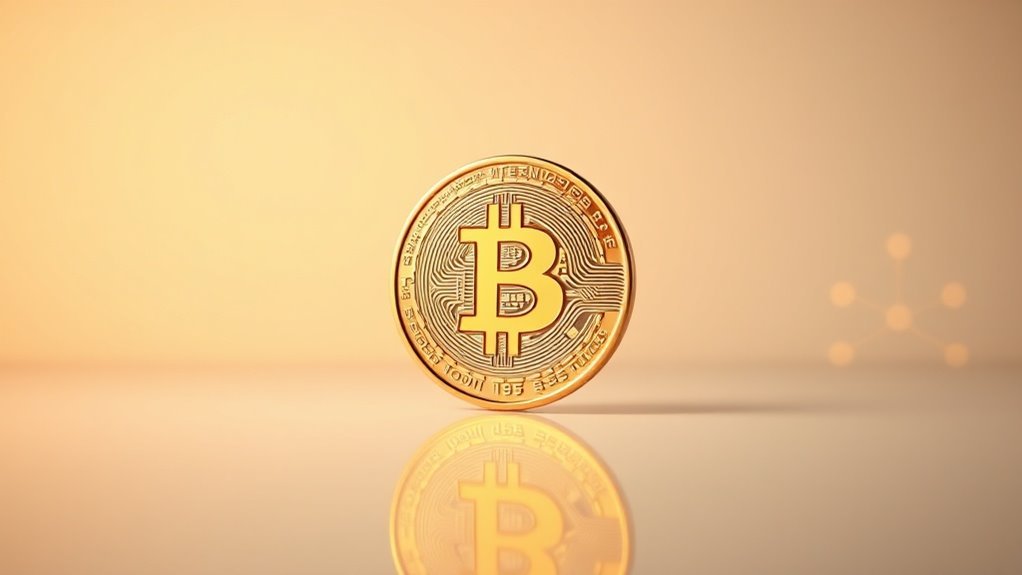
Once Mt. Gox collapsed in 2014, you’d think Bitcoin’s community would scatter. Instead, early adopters doubled down. Why? They understood something institutional investors didn’t: Bitcoin’s value wasn’t tied to any single exchange or company. The network itself—secured by cryptography and distributed consensus—remained intact.
You held because you grasped the fundamental difference between a platform failing and a protocol failing. Mt. Gox’s bankruptcy didn’t break the blockchain. Your coins were still yours, recoverable with your private keys. This community resilience became Bitcoin’s defining characteristic. While skeptics declared Bitcoin dead, you recognized that setbacks were temporary but the underlying code was permanent. That conviction separated believers from speculators, and it’s why early adopters remained through multiple cycles of doubt. Additionally, the understanding of Bitcoin’s halving mechanism reinforced the belief that scarcity could drive long-term value.
Frequently Asked Questions
Did Satoshi Nakamoto Ever Reveal Their True Identity or Communicate After 2010?
No, Satoshi Nakamoto never publicly revealed their true identity. You’ll find identity speculation and communication theories persist, but no verified contact exists after 2010. This pseudonymous approach protects Bitcoin’s decentralized integrity and keeps you focused on the protocol, not personalities.
How Did Early Bitcoin Holders Secure Their Coins Without Modern Hardware Wallets?
You’d store private keys on paper wallets or basic digital files—over 80% of early holders used offline storage for transaction security. Early exchanges like Mt. Gox offered custodial solutions, though they weren’t your safest bet for protecting coins long-term.
What Happened to Satoshi’s Estimated 1 Million BTC and Why Haven’t They Moved?
You’re holding a genuine mystery: Satoshi’s estimated 1 million BTC sits in dormant wallets, untouched since the early mining days. Speculative theories range from lost keys to intentional silence, but the blockchain implications remain profound—those coins could reshape markets if ever moved.
How Did Bitcoin’s First Users Verify Transactions Without a Established Mining Infrastructure?
You’re the bedrock holding Bitcoin upright. Early users validated transactions through network consensus—each node verified blocks independently, creating safety in numbers. You didn’t need established mining; distributed verification made you the infrastructure itself.
What Technical Barriers Prevented Mainstream Adoption During Bitcoin’s First Year of Operation?
You’d have faced steep mining difficulty, unpredictable transaction fees, clunky user interfaces, and concerns about network security. These technical hurdles made Bitcoin impractical for everyday users and risky for newcomers unfamiliar with safeguarding their own keys.
Summarizing
You’ve witnessed how Bitcoin sprouted from a single seed planted by Satoshi into a thriving ecosystem. Those early believers didn’t chase riches—they cultivated something they believed in. You’re now seeing the harvest of their conviction: a global network worth trillions. Understanding this genesis matters because you’re watching how conviction, not marketing, builds movements that endure.

