


You can’t pinpoint the 2028 Bitcoin halving exactly, but tracking ten critical dates will shape your mining strategy and trading position. Start monitoring institutional positioning around October 2027, watch biweekly difficulty resets through October 2028, and note options expiration schedules that create market pressure points. MiCA regulatory checkpoints in Q1 2028 matter too. Understanding these milestones reveals Bitcoin’s self-correcting nature and helps you anticipate when marginal miners exit. The details below show you precisely which dates deserve your attention.
Table of Contents
Brief Overview
- Next Bitcoin halving occurs at block height 840,000, projected for mid-to-late 2028 with date variability from hashrate fluctuations.
- Institutional positioning phase begins October 2027, approximately 6-12 months before the halving event through research and accumulation stages.
- MiCA regulatory audit target deadline: Q1 2028, ensuring compliance before halving’s market impact on institutional operations.
- Stablecoin issuer authorization deadline: Q2 2026; custody provider audits due Q3 2027, establishing regulatory framework pre-halving.
- Block reward reduction from 6.25 BTC to 3.125 BTC creates margin compression for miners, triggering pool consolidation and hardware efficiency pressures.
The 2028 Halving Block Height: What You Need to Track
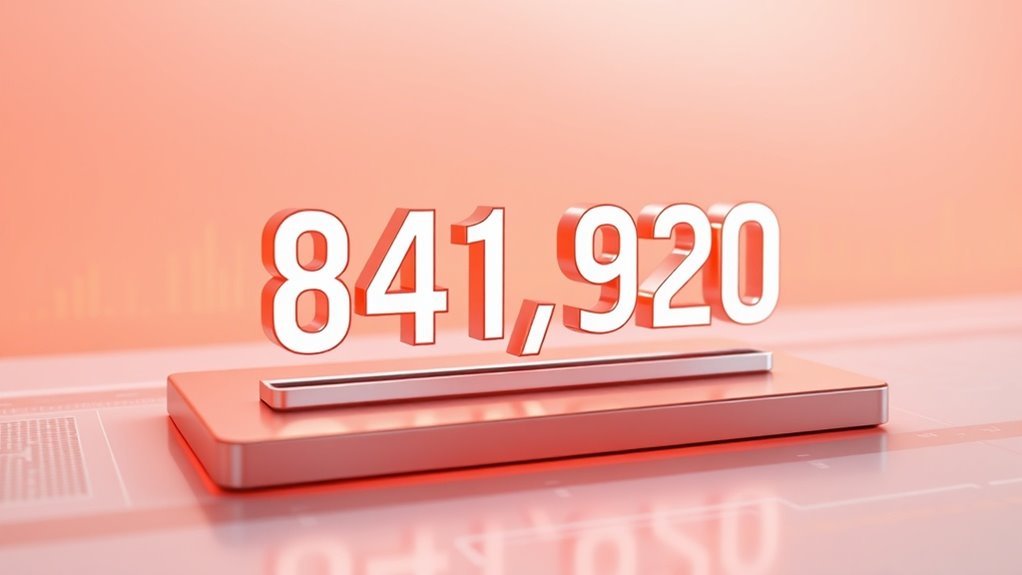
Bitcoin’s next halving won’t arrive on a calendar date—it’ll arrive at a specific block height, currently projected around 840,000 blocks from the genesis block. You should track this number closely because the actual timing depends entirely on network hashrate, which fluctuates. If hashrate increases, blocks mine faster and you’ll reach 840,000 sooner. If it drops, the halving delays.
You can monitor the exact block height in real time through blockchain explorers like blockchain.com or mempool.space. When block 840,000 arrives, the Bitcoin block reward will drop from 6.25 BTC to 3.125 BTC. This halving impact affects miner profitability directly, potentially shaking up mining operations and network security dynamics. Understanding this block height matters because it’s the only certainty in Bitcoin’s predictable supply schedule—not calendar estimates. The reduction in block rewards will pressure miners to adapt their strategies for sustained profitability.
Historical Halving Timings: Lessons From 2020 and 2024
The 2020 halving arrived on May 11, yet predictions ranged across three months. The 2024 halving hit April 19—again defying earlier timelines. You’ll notice a pattern:
- Block times average 10 minutes but drift seasonally
- Network hashrate spikes before halvings, accelerating block discovery
- Miner behavior shifts as profitability concerns mount
- Historical price trends often compress before the actual event, not the predicted date
This matters because you’re positioning trades and mining operations around *actual occurrence*, not calendar guesses. Track the current block height at chain explorers weekly. Compare it against 2028’s projected height. Don’t rely solely on date estimates—they’ve consistently proved unreliable. Additionally, understanding historical trends in BTC price movements can provide deeper insights into market behavior around halving events.
Expected Halving Date and Block Time Variance
Because block times drift unpredictably across network conditions, you can’t simply count forward 210,000 blocks from the 2024 halving and land on a reliable date. Bitcoin’s target block time is 10 minutes, but actual intervals vary based on network hashrate fluctuations. When miners join or leave the network, block times compress or stretch—sometimes significantly.
The 2028 halving is currently estimated for mid-to-late 2028, but this date shifts as hashrate changes. You should treat early projections as rough guides, not certainties. The network adjusts mining difficulty every 2,016 blocks to maintain the 10-minute average, but real-world variance persists. Understanding this variance matters because it affects the halving’s significance. The block reward reduction—from 6.25 BTC to 3.125 BTC—remains fixed regardless of timing, but miner profitability pressures intensify as the actual date approaches. Additionally, mining difficulty adjustments play a crucial role in shaping the network’s operational landscape as halving events draw near.
Mining Rewards Post-Halving: From 3.125 to 1.5625 BTC
This predictable schedule shapes mining profitability analysis across the industry:
- Current miners earning 6.25 BTC per block face immediate margin compression in 2028.
- Hardware efficiency becomes the survival metric—older ASIC models won’t pencil out.
- Network hashrate likely consolidates as unprofitable operations shut down.
- Smaller pools merge or exit; large-scale operations absorb hash share.
The reward halving impact ripples through operational costs. Your electricity spend stays fixed while revenue halves. Geographic arbitrage and renewable energy access separate viable miners from casualties. Additionally, environmental considerations regarding energy consumption will increasingly influence mining strategies. Plan accordingly.
Biweekly Difficulty Resets: What to Watch Through October 2028
Every 2,016 blocks—roughly two weeks—Bitcoin’s network recalibrates its difficulty to maintain a consistent 10-minute average block time. You’ll want to monitor these difficulty adjustments closely through October 2028, as they directly shape mining efficiency and profitability.
When hashrate trends spike, the network increases difficulty to prevent blocks from arriving too quickly. Conversely, if miners exit the network, difficulty drops. This biweekly reset mechanism keeps block time analysis predictable—critical for transaction confirmation estimates and network security.
Track upcoming adjustment windows on-chain analytics platforms. Rising difficulty signals strong miner participation but lower margins for smaller operations. Falling difficulty may indicate capitulation periods where less efficient rigs shut down. Understanding these patterns helps you anticipate mining profitability swings and network health shifts leading into the 2028 halving. The increased energy demand from mining can lead to fluctuations in electricity prices and impact local communities.
Institutional Positioning Window: Six Months Before Halving
Institutional capital doesn’t wait for the halving bell to ring—it positions 6 to 12 months ahead. You’ll notice this window shapes market sentiment and liquidity well before the actual event.
Smart money moves through these phases:
- Research and modeling — funds stress-test post-halving economics.
- Accumulation phases — steady buying to avoid price impact.
- Strategic announcements — public positioning signals to competitors.
- Derivative hedging — futures and options layering for downside protection.
This positioning window typically begins around October 2027 for the 2028 halving. Retail investors who track institutional investment flows gain an edge. You’ll see it in options open interest, large on-chain transfers, and spot ETF inflows. Understanding these cycles helps you avoid chasing momentum after whales have already secured their positions. Additionally, recognizing investor sentiment shifts is essential for anticipating how these strategic moves will affect market dynamics.
Options Expiration and Futures Rollover Schedules

Options expiration cycles and futures rollover schedules create predictable pressure points that traders and institutions exploit around halving events. You’ll see concentrated activity in the weeks before major contract expirations—typically the last Friday of each month for options, and quarterly for futures contracts.
These rollover periods can amplify volatility as traders close positions, adjust hedges, or shift exposure to later-dated contracts. If a halving falls near an expiration date, you’re looking at compounded market pressure from both fundamental uncertainty and technical positioning unwinding.
Track CME Bitcoin futures expiration schedules and major options exchanges’ calendars separately. The overlap between these cycles and halving timelines often creates sharp intraday swings. Understanding this mechanical pressure helps you anticipate when price moves reflect actual supply-demand shifts versus forced liquidations and repositioning. Additionally, historical price growth illustrates how market dynamics shift during these critical periods.
Exchange Fee Updates for Halving: Preparation Timeline
As exchange liquidity tightens ahead of a halving, trading platforms typically adjust their fee structures—sometimes weeks in advance—to manage order flow and protect margin accounts from cascading liquidations. You’ll want to monitor these changes closely, as they directly affect your trading costs and execution quality.
Key timing points to track:
- 6–8 weeks before halving: Major exchanges announce fee restructuring for futures and spot markets
- 4 weeks prior: Maker/taker rebates shift; margin requirements often increase
- 2 weeks out: Liquidation thresholds tighten; volatility premiums widen
- Week of halving: Fee caps may lift temporarily; spreads widen significantly
Exchange fee strategies matter because reduced miner profitability post-halving drives volatility. Higher trading costs during this window compress your margins, so compare fee schedules across platforms and consider scaling positions accordingly. Additionally, understanding supply and demand dynamics is crucial during this period as they can significantly influence Bitcoin’s price movements.
Regulatory Checkpoint: MiCA Framework Alignment Before 2028
The EU’s Markets in Crypto-Assets Regulation (MiCA) framework, which took full effect in December 2023, has become the de facto standard for institutional Bitcoin custody and trading compliance across Europe—and you’ll need to understand how it shapes your strategy if you’re holding or trading through any EU-regulated platform ahead of the 2028 halving.
| Compliance Milestone | Target Date | Your Action |
|---|---|---|
| Stablecoin issuer authorization | Q2 2026 | Verify exchange licensing status |
| Custody provider audit completion | Q3 2027 | Confirm asset segregation protocols |
| Pre-halving regulatory audit | Q1 2028 | Document transaction history |
This regulatory clarity eliminates uncertainty around institutional compliance. You’re protected by standardized capital requirements and custody safeguards. Additionally, adherence to AML regulations ensures that your transactions are monitored and reported appropriately. Before 2028, confirm your platform holds MiCA authorization—this direct alignment ensures your holdings meet institutional-grade security standards.
Why Marginal Miners Exit: The 90-Day Post-Halving Aftermath

When the halving cuts block rewards in half, you’re watching a forced recalibration across the entire mining ecosystem. Marginal miners—those operating on razor-thin profit margins—face an immediate survival test.
During the 90-day post-halving aftermath, you’ll observe:
- Equipment shutdown cascades as older ASIC miners become unprofitable at current Bitcoin prices
- Hash rate volatility as marginal operations exit, temporarily reducing network difficulty
- Mining pool consolidation toward larger, more efficient operators with lower operational costs
- Geographic migration toward regions with cheaper electricity as economic viability shifts
Your mining strategies must account for this reality: post-halving dynamics hit hardest in high-cost jurisdictions. Operators with inflexible operational costs can’t survive the reward reduction. Market psychology shifts too—some miners capitulate, others double down. Understanding this 90-day window reveals Bitcoin’s self-correcting nature and dynamic adjustments that exert competitive pressure on mining profitability.
Frequently Asked Questions
How Does the 2028 Halving Affect Long-Term Bitcoin Holders’ Investment Strategy?
You’ll want to time your accumulation strategy around the 2028 halving’s expected scarcity effects, but avoid overcommitting based on psychology alone. Dollar-cost averaging through the cycle reduces timing risk and locks in discipline regardless of market sentiment.
Can I Predict Which Miners Will Survive the 2028 Halving Based on Current Data?
You can’t reliably predict survivor miners—ironically, today’s data won’t reveal tomorrow’s winners. You’ll find miner resilience depends on unpredictable variables: electricity costs, hardware efficiency, and market competition intensity. Focus instead on tracking operational metrics rather than forecasting outcomes.
Will the 2028 Halving Trigger Another Bull Market Like Previous Cycles Did?
You can’t reliably predict the 2028 halving’ll spark another bull market. Historical analysis shows halving patterns correlate with rallies, but they’re not guaranteed. Supply reduction alone doesn’t ensure gains—macroeconomic conditions and adoption matter equally.
How Should Retail Investors Adjust Their Portfolio Ahead of the 2028 Halving Event?
You shouldn’t put all your eggs in one basket before 2028. Build portfolio diversification across Bitcoin, other assets, and stablecoins. Strengthen risk management by rebalancing regularly, securing your holdings properly, and never investing more than you can afford to lose.
Does the Halving Schedule Impact Bitcoin’s Scarcity Narrative and Long-Term Value Proposition?
Yes, you’ll find the halving schedule directly reinforces Bitcoin’s scarcity implications through predictable supply reduction every four years. This mathematical certainty shapes market psychology, anchoring long-term value expectations and differentiating Bitcoin from unlimited fiat currencies.
Summarizing
You’re holding the map to 2028’s biggest Bitcoin event—and you’d better mark your calendar with a quill pen if you want to stay ahead. Block height 840,000 triggers the next halving, reshaping mining economics overnight. You’ve got roughly three years to position yourself before rewards halve again. Track difficulty resets, monitor exchange fee schedules, and watch marginal miners exit post-halving. Your timing matters.

