

No single device magically keeps your crypto safe; security depends on how you manage your private keys. Your best choice is a hardware wallet with a secure element and on-screen verification, or a rigorously air-gapped software setup. Crucially, you must protect your seed phrase offline with physical backups. The right practices matter more than the brand. Understanding these principles will guide you to the most secure solution for your needs.
Table of Contents
Brief Overview
- Hardware wallets with secure elements isolate private keys from online threats.
- True cold storage wallets require air-gapped, offline transaction signing.
- Avoid wallets enabling blind signing; always verify transactions on the device screen.
- A secure seed phrase, stored physically offline, is your ultimate backup.
- Set strict spending limits for DeFi interactions to mitigate smart contract risk.
The Foundational Principles of Ethereum Cold Storage

While a self-custody hot wallet interacts directly with the Ethereum Virtual Machine, cold storage enforces an architectural separation where your private keys never touch an internet-connected device. These core cold storage principles create a “signing gap” for your wallet security. You connect only when you need to authorize a transaction; the air-gapped hardware generates and signs it offline. The signed data is then transferred back to the online device to be broadcast to the network. This architecture ensures your private keys never exist in a state vulnerable to remote exploits, malware, or phishing attacks, making it a cornerstone for securing substantial Ethereum holdings from digital threats. Additionally, endpoint security is critical to prevent unauthorized access to your cold storage setup.
Securing Your Seed Phrase: The Non-Negotiable First Step
Because your seed phrase reconstructs the entire wallet, its physical security is paramount. Never store it digitally; a screenshot or text file creates a critical vulnerability. Your primary seed phrase security relies on durable, offline mediums like stainless steel plates, which resist fire and water damage. Write the phrase exactly as generated, verifying each word. Then, implement robust backup strategies by creating multiple copies. Store these backups in geographically separate, secure locations such as safes or safety deposit boxes. This redundancy ensures you can recover your assets even if one backup is lost or destroyed. Never share the phrase with anyone; it’s the master key to your Ethereum and all derived assets.
Hardware vs. Software: Categories of Ethereum Cold Wallets
Once your seed phrase is secured offline, selecting the right cold wallet—a device that generates and stores private keys without an internet connection—defines your security model’s architecture. For Ethereum, you fundamentally choose between hardware and software-based options. Hardware wallets are dedicated physical devices. Their primary security features involve keeping your keys in an isolated, offline environment, requiring physical confirmation for transactions. Software wallets, often called “air-gapped” cold wallets, are applications installed on a device you permanently disconnect from the internet. This cold wallet comparison highlights a trade-off: hardware wallets offer robust, dedicated security, while software wallets provide a capable, often more affordable, cold storage method if you strictly maintain the air gap. Additionally, using a hardware wallet can significantly enhance your robust security by minimizing exposure to online threats.
Inside a Hardware Wallet: Secure Element Architecture and Firmware
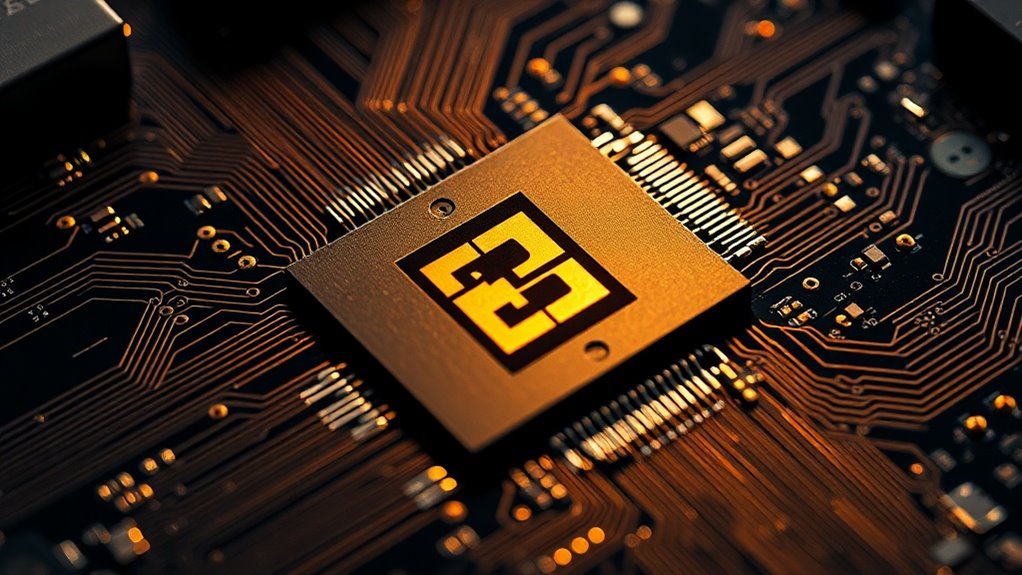
Moving from selecting a hardware device to understanding its internal security, the core of a hardware wallet is its secure element—a dedicated chip designed to protect cryptographic secrets. It’s a tamper-resistant microprocessor, often certified to standards like Common Criteria EAL5+, that physically isolates your private keys. No operation, like signing a transaction, can occur without your explicit confirmation on the device itself. Firmware integrity is equally critical; the wallet must cryptographically verify that its operating software is authentic and unmodified before every boot. This combination ensures that even if you connect to a compromised computer, your keys remain protected within the secure element‘s hardened environment.
Evaluating Leading Ethereum-Compatible Hardware Wallets
While selecting an Ethereum wallet starts with understanding secure element architecture, the final choice depends on how different hardware wallets implement these principles for the EVM ecosystem. You must evaluate how each device handles transaction signing for smart contracts and Layer 2s like Arbitrum. Leading models verify all transaction details on their secure screen, a critical defense. Your security practices are integral; a device should enforce clear on-screen verification before any signing. Avoid models where blind signing is a default, as this undermines the hardware’s purpose. The PIN entry and recovery phrase user writing process should also be physically isolated from any connected computer, ensuring private keys never leave the secure element. Additionally, understanding the transition to Proof-of-Stake can provide insights into how wallet security may evolve as the Ethereum network changes.
Software and Air-Gapped Ethereum Cold Storage Options
Although hardware wallets provide robust security, software and air-gapped solutions offer alternative methods for generating and storing Ethereum private keys completely offline. You can create a cold storage setup by generating a seed phrase on a permanently offline computer using dedicated, open-source software. This approach relies on strong software encryption for your keystore file, which you then physically transfer, for instance via a USB drive, to an online device for transaction signing. For maximum security, especially for institutional holdings or DAO treasuries, you should configure multi signature wallets. These require multiple private keys to authorize a transaction, ensuring no single point of failure exists, even if one key is compromised. Additionally, implementing decentralized governance can enhance the security and integrity of your cold storage practices.
Assessing Supply Chain Integrity and Developer Reputation
- Scrutinize Hardware Origins: Verify the manufacturer’s history and whether they build their own devices or rely on third-party factories.
- Audit the Firmware: Prioritize wallets with fully open-source firmware that you can, in principle, inspect.
- Track the Developer Team: Research the core developers’ public history, transparency, and response to past security incidents.
- Monitor Update Channels: Ensure the official, signed update mechanism is the only way new code reaches your device.
Managing Defi and Smart Contract Interaction Risks From Cold Storage
| Interaction Type | Core Safety Principle |
|---|---|
| Token Approval | Set precise spending limits, never infinite. |
| Complex Yield Farming | Verify each contract address from multiple sources. |
| Bridge Transaction | Confirm destination chain and address meticulously. |
| Governance Vote | Ensure the proposal hash matches off-chain. |
| New Protocol Test | Use a small, disposable amount first. |
Selecting Your Ethereum Cold Storage Solution: A Decision Framework
- Evaluate the Secure Element: Prioritize wallets with a certified, tamper-resistant chip dedicated to storing your private keys and executing all transaction signing offline.
- Scrutinize Supply Chain Integrity: Choose manufacturers with verifiable, secure production processes to prevent pre-installed backdoors.
- Verify Open-Source Software: Opt for firmware you can audit, ensuring no hidden code can compromise your assets during wallet recovery or use.
- Assess Protocol & L2 Support: Ensure the wallet actively supports Ethereum’s latest upgrades and major Layer 2 networks for safe, future-proof interactions, including those utilizing Optimistic Rollups for improved scalability.
Frequently Asked Questions
Can a Cold Wallet Be Hacked if Connected to a Computer?
A cold wallet can be hacked if connected to a compromised computer. Hacking methods exploit software risks, but its physical security features minimize vulnerability assessments when you disconnect it after signing transactions.
What Happens to My Cold Wallet if the Manufacturer Goes Out of Business?
Your crypto remains accessible because cold wallet durability relies on its hardware and your backup seed phrase, not ongoing manufacturer support, so you’re never locked out if the company shuts down.
Is It Safe to Buy a Used or Discounted Hardware Wallet?
Never buy used or discounted wallet hardware, as seen with second-hand Ledgers altered to steal seeds. You can’t verify used wallet risks like tampering, so discount security exposes your crypto to theft.
Can I Store NFTS in the Same Wallet as My ETH?
Yes, you can store NFTs in the same wallet as your ETH; hardware wallets provide secure NFT storage. Eth compatibility is native as NFTs live on the same Ethereum address as your Ether.
How Do I Recover Funds if My Hardware Wallet Firmware Update Fails?
You need to use your seed phrase to recover funds if a firmware update fails. Your keys, not the device’s software, hold your crypto. This wallet troubleshooting process confirms firmware recovery is a fallback you control.
Summarizing
Your cold wallet is your vault; choose its foundation wisely. You’ve learned that true security lies in a secure element, verifiable code, and a clean supply chain. Don’t just lock your assets in any box. Now, use this framework to select your guardian. It’s the one piece of armor that keeps your digital wealth truly offline, turning remote threats into mere whispers against a fortified wall.

