

Choosing your crypto wallet defines your security and control. Remember, if you don’t hold the private keys, you don’t truly own the coins. Hot wallets offer convenience for daily use, while cold wallets provide ultimate protection for savings. Your seed phrase is your lifeline for recovery. You’ll learn to set up a self-custody wallet and develop essential security habits. Getting this right unlocks true peace of mind for your digital assets.
Table of Contents
Brief Overview
- Understand how hot and cold wallets balance convenience and security.
- Prioritize non-custodial wallets to maintain true ownership of your assets.
- Select reputable hardware wallets with strong security for long-term holdings.
- Securely store your recovery seed phrase offline to prevent fund loss.
- Use software wallets with multi-factor authentication for daily transactions.
What Is a Cryptocurrency Wallet and How Does It Actually Work?

A cryptocurrency wallet is your interface to the blockchain. You use it to manage cryptocurrencies, but it doesn’t actually store coins. Instead, it holds your public keys and private keys. Your public key is like a shared account number for receiving funds, while your private key is your secret password for authorizing blockchain transactions. Security features define two main types: hot wallets, which are connected online for convenience, and cold wallets, which are kept offline for maximum security. To secure access, you’ll be given a seed phrase. You must protect this recovery phrase above all else, as it’s the only way to restore your keys and funds if your device is lost.
Why “Not Your Keys, Not Your Coins” Is Your Fundamental Security Principle
While you might trust an exchange with your funds, the principle “Not your keys, not your coins” defines true ownership in cryptocurrency. When you use custodial wallets, you don’t hold your private keys; the service does. This means you don’t truly own your digital assets—you’re just a user on their platform. If they fail or get hacked, you lose everything. To achieve true ownership and security, you must use non-custodial wallets. These give you direct control of your private keys, enabling self-custody. Only by holding your keys do you possess your coins, protecting them from third-party risks. This fundamental principle is the core of security in crypto. This control is especially critical given the regulatory pressures causing many exchanges to delist privacy coins, which can limit your access and trading options.
Hot Wallets vs. Cold Wallets: Matching Security to Your Needs
Once you’ve secured your private keys, you must decide where to keep them. Your choice defines your security posture. Hot wallets, including many software wallets, keep your private keys connected to the internet. This makes your cryptocurrency convenient for frequent use but perpetually exposed to online threats like hacking. For robust security, a cold wallet is essential. Typically a specialized hardware wallet, it stores your keys offline, creating a powerful barrier against remote attacks. This makes cold storage the standard for safeguarding large holdings and long-term storage. You should actively use both: a hot wallet for daily transactions and a cold wallet for your core savings. This layered approach balances access with maximum protection.
The Unbreakable Link Between Your Seed Phrase and Your Wealth
| Security Action | Critical Reason |
|---|---|
| Write seed phrase on paper | Creates a physical, offline backup |
| Store in a secure location | Prevents physical theft or discovery |
| Never digitize (email, cloud) | Eliminates remote hacking risk |
| Never share with anyone | Maintains sole control of your assets |
| Verify backup accuracy | Ensues you can actually recover access later |
Auditing a Hardware Wallet: How to Verify Its Security and Trustworthiness
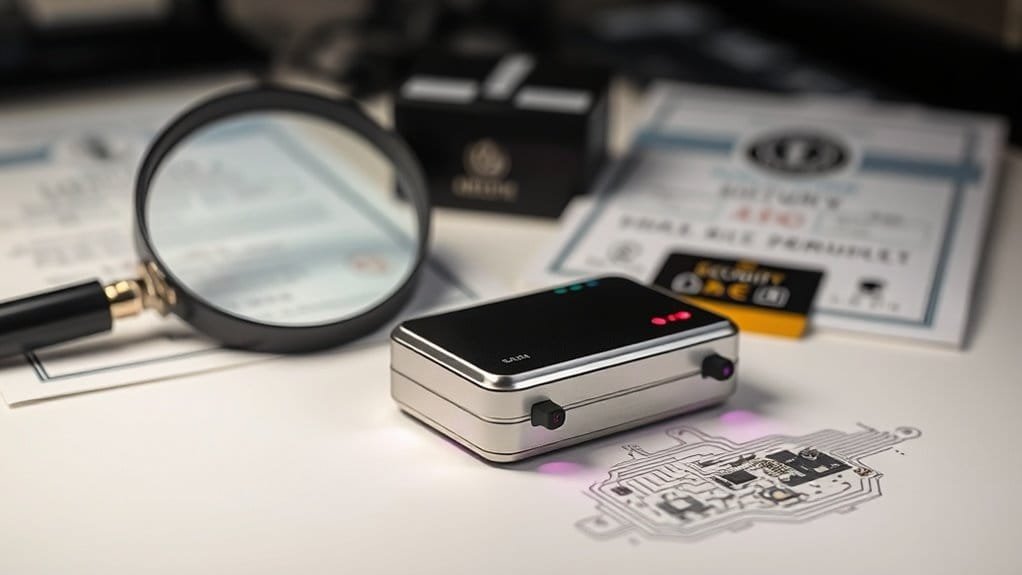
Your hardware wallet is a critical line of defense, so verifying its integrity before use is non-negotiable. First, assess the manufacturer reputation for a proven commitment to security. Prioritize wallets using open source software, enabling community audits of the code protecting your private keys. Before any use, perform firmware verification by downloading updates only from official sources and checking their provided checksums. Examine the device’s specific security features like PIN and passphrase options. Finally, consult independent reviews and user reviews to identify any reported vulnerabilities or real-world performance issues. This comprehensive audit ensures your hardware wallet’s trustworthiness before you entrust it with your assets.
Leading Hardware Wallets for Maximum Asset Protection in 2026
The audit of a hardware wallet establishes its trustworthiness, but the specific device you choose determines its protective capabilities. For maximum asset protection, prioritize hardware wallets that use cold storage to store private keys** offline. The Ledger Wallet provides robust security features and supports thousands of assets. The Trezor Wallet offers advanced protections at an accessible price point. For mobile-centric management, the SafePal Wallet and CoolWallet Pro integrate seamlessly with apps while maintaining high-security standards. Each of these crypto wallet stores** your keys in a dedicated, isolated device, ensuring your assets remain shielded from online threats. Your selection forms the final, critical layer of your security infrastructure.
Choosing a Software Wallet for Daily Transactions and DeFi Access
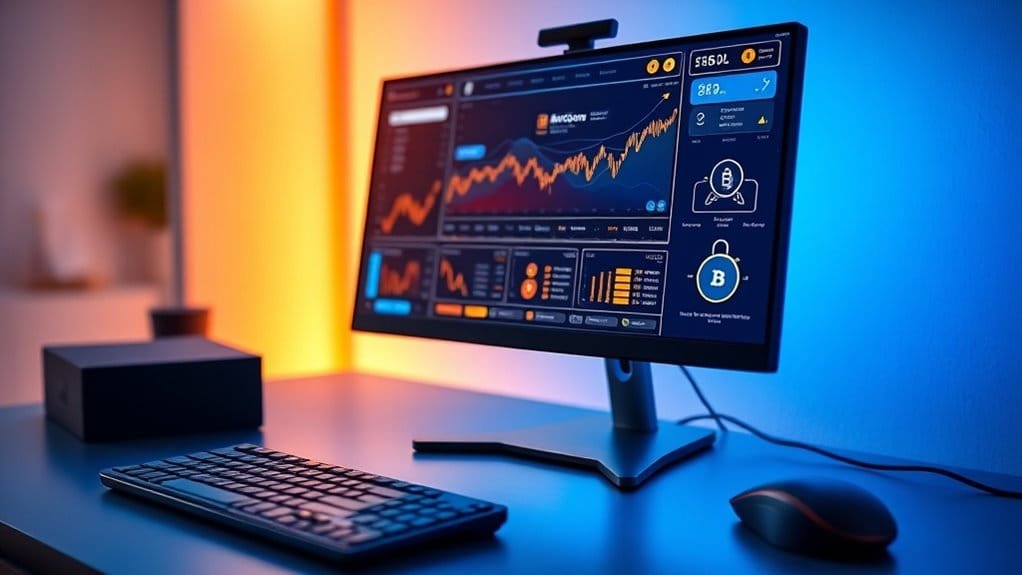
Because hardware wallets secure long-term holdings, you need a separate tool for active use. Software wallets, or hot wallets, are designed for daily transactions and DeFi access. Their user-friendly nature allows direct interaction with exchanges and dApps. However, your private keys remain on internet-connected devices, making strong security measures essential. For maximum protection of these keys, consider using a hardware wallet as part of a layered security strategy. Always enable multi-factor authentication, update software promptly, and stay vigilant against phishing scams to protect your assets.
| Wallet Name | Primary Use Case | Key Security Feature |
|---|---|---|
| MetaMask | Ethereum & DeFi | Built-in phishing detection |
| Phantom | Solana ecosystem | Seed phrase encryption |
| Example A | General trading | Multi-factor authentication |
| Example B | dApp interactions | Regular auto-updates |
| Example C | Multi-chain access | Transaction preview & signing |
Ensuring Multi-Chain and Multi-Asset Compatibility
Managing a portfolio of privacy coins and other assets across separate blockchains requires a wallet that supports multiple networks. True multi-chain wallets, like Guarda and Rabby, allow you to manage different cryptocurrencies from numerous ecosystems within one secure interface. You must verify its list of supported cryptocurrencies, including your specific asset types, before committing. For hardware-based secure storage, Ledger and Trezor devices also offer multi-asset support. Crucially, check if your wallet is compatible with decentralized applications on the networks you use, as this directly impacts functionality. Given the advanced cryptographic techniques used by coins like Monero, it is essential to select a wallet that properly supports features like ring signatures and stealth addresses. Choosing a capable wallet simplifies your portfolio management by consolidating control, reducing the need for multiple, separate applications.
Understanding Wallet Fees: Network Costs and Service Premiums
Transaction costs can catch you off guard if you don’t separate network fees from wallet service premiums. You always pay mandatory network fees to miners or validators for blockchain processing, which fluctuate with congestion. Your choice of crypto wallets directly impacts other costs. Custodial wallets, like those on exchanges, often add service premiums for asset management. For full control, non-custodial wallets like a software hot wallet typically avoid these premiums but leave you responsible for security. A hardware cold wallet has an upfront cost but provides robust safety. Always budget for both network fees and any wallet-specific service premiums to understand your true transaction costs and protect your assets. This is especially true for privacy coins, where the enhanced security features can introduce more complex transaction validation processes.
Wallet Support for Privacy Coins: Why Full Node Integration Matters
Your wallet’s role in safeguarding privacy coins extends beyond cost management. For true wallet support for privacy coins, you need full node integration. This feature lets you validate and relay transactions yourself, which is critical to enhance privacy. You synchronize with the blockchain directly, ensuring secure transactions without relying on a third-party server that could leak sensitive transaction data. This direct connection provides the strongest security model for privacy-focused cryptocurrencies like Monero and Zcash, which continuously advance their ring signature technology for user anonymity. While running a full node demands more storage and bandwidth, it’s a non-negotiable for maximum safety. It also ensures your wallet interacts properly with decentralized exchanges and other services, maintaining your anonymity throughout the entire process.
Step-by-Step Guide to Setting Up Your First Self-Custody Wallet
Establishing your first self-custody wallet is a critical step in securing your assets and preserving transactional privacy. First, select a reputable, non-custodial software wallet from a trusted wallet provider, as this ensures you control your private keys. During setup, your secure wallet will generate a recovery seed phrase. You must write this down and store it offline; losing it means losing your crypto forever. Next, fund your wallet by choosing to transfer cryptocurrencies from an exchange. Before any transaction, always double-check the recipient address. Finally, enhance your protection by enabling any available multi-factor authentication and commit to regularly updating your wallet software to install critical security patches.
Essential Ongoing Security Habits for Your Wallet
While securing a wallet initially is crucial, maintaining that security requires consistent, disciplined habits in an evolving threat landscape. You must regularly update your wallet software to patch vulnerabilities. Always use a strong password and enable multi-factor authentication for critical access. Treat your private keys and seed phrase as the ultimate secret; store them completely offline on physical media, never digitally. For significant holdings, a hardware wallet provides superior protection by keeping keys offline during transactions. Stay vigilant against phishing scams attempting to steal your credentials. Remember, your active diligence is the most important layer of security. These habits form an essential, ongoing defense for your digital assets.
Recovering From a Compromised, Lost, or Broken Wallet
| Scenario | Primary Action | Key Dependency |
|---|---|---|
| Lost Device | Import recovery phrase into new wallet | Your secure backups |
| Broken Hardware | Restore using seed on new device | Recovery phrase |
| Suspected Theft | Immediately transfer funds to new wallet | New private keys |
| Forgotten Access | Follow provider’s account recovery | Custodial wallets policy |
Losing your recovery phrase means permanent loss. Secure backups are non-negotiable.
Maintaining Your Portfolio Across Multiple Wallets and Chains
As your cryptocurrency holdings grow, you’ll likely find yourself managing assets across multiple wallets and blockchains—a process that quickly highlights the operational friction between security and convenience. You must diligently protect the private keys for each crypto wallet. To effectively manage your portfolio across multiple wallets and separate chains, use dedicated portfolio management tools. These provide consolidated tracking of your total asset value from a single dashboard, simplifying oversight. You cannot ignore the necessity of regularly auditing each wallet’s transaction history. This disciplined practice is critical for both security and accurate financial reconciliation, ensuring you maintain a clear, secure picture of your entire portfolio’s health and activity.
Frequently Asked Questions
How to Choose the Best Crypto Wallet?
First, assess your security needs. Choose hardware wallets for high security or software wallets for daily use. Check supported coins, transaction fees, backup options, and the user interface. Multi-signature wallets add safety, so verify mobile compatibility.
Can the IRS See Your Crypto Wallet?
Your crypto wallet itself is private, but its public activity isn’t. The IRS can’t see your holdings directly, yet blockchain transaction transparency means your wallet address anonymity fades if linked through an exchange, triggering IRS reporting requirements.
Can FBI Track BTC Wallet?
Yes, the FBI can track your BTC wallet using blockchain analysis and exchange KYC data. You can enhance privacy with anonymization techniques, but law enforcement’s tracking methods are sophisticated given current crypto regulations.
What Is the #1 Crypto Wallet?
The “#1” crypto wallet is subjective, tailored to your needs. Prioritize wallet security. While software wallets like mobile wallets offer convenience, a hardware wallet provides the highest security for long-term asset storage.
Summarizing
Ultimately, your wallet is your personal stronghold on the blockchain. You’ve learned the principles, so now put them into practice. Don’t put all your eggs in one basket; diversify your custody strategy to match your holdings. Your diligence is what makes the digital frontier secure. With the right setup and habits, you’re not just storing coins—you’re securing true financial sovereignty. Go forth and own it.

