

In 2026, you’ll need a privacy-first wallet strategy. Prioritize a non-custodial wallet that keeps your keys offline and uses protocols like CoinJoin or zero-knowledge proofs. Decide between a convenient hot wallet or a more secure cold wallet based on your trading habits. Specialized wallets are essential for coins like Monero and Zcash. Your choice is critical for secure storage and financial privacy as regulations evolve. The right setup will unlock more powerful security features ahead.
Table of Contents
Brief Overview
- Evaluate wallets for non-custodial design ensuring exclusive user control of private keys.
- Prioritize wallets with strong encryption and transaction anonymization protocols like CoinJoin.
- Consider multi-asset wallet support to manage diverse, privacy-focused cryptocurrencies securely.
- Assess the security trade-offs between internet-connected hot wallets and offline cold storage.
- Verify the wallet provider’s commitment to regular software updates and vulnerability patching.
Why a Privacy-First Wallet Strategy Is Essential in 2026
A privacy-first wallet strategy is essential in 2026 to counter sophisticated phishing, malware, and expanding transaction surveillance from regulations like MiCA and the FATF Travel Rule. Your wallet must be a core component of your security posture. You need a non-custodial solution where you exclusively control the private keys, removing exchange-based risks. Features like transaction anonymization help shield your activity, while multi-signature setups add a critical approval layer against unauthorized access. As cyber threats grow more advanced, these privacy-first tools are your primary defense. They provide necessary transparency measures about on-chain risks without exposing your personal data, ensuring the safe custody of your digital assets against both technical and regulatory intrusions. For long-term viability, these wallets may integrate regulatory-friendly technologies like zero-knowledge proofs to balance anonymity with compliance.
What Defines a True Privacy Wallet in 2026
Because the landscape of transaction surveillance has expanded, a true privacy wallet in 2026 must be defined by a specific technical architecture. First, you must retain sole control; a genuine non-custodial wallet ensures your private keys never leave your device. It then employs advanced encryption techniques to shield those keys and your transaction details. Core functionality uses protocols like CoinJoin or zero-knowledge proofs to fundamentally protect your user anonymity by obfuscating blockchain activity. Look for advanced security measures such as multi-party computation (MPC) for added key protection. Furthermore, modern privacy wallets support management of diverse assets across multiple blockchains, letting you consolidate your crypto holdings without compromising on your core privacy standards. Zcash has demonstrated the practical application of this concept through its shielded transactions.
Hot vs. Cold: Choosing Your Wallet Security Model
Wallets for secure coin storage ultimately resolve into one critical security decision: keep your private keys online for convenience or offline for protection. Hot wallets provide immediate access and user-friendly interfaces, suitable for frequent transaction verification. Their constant internet connection, however, increases vulnerability. For long-term storage of substantial holdings, cold wallets create a physically isolated secure environment for managing your keys offline. Both hot and cold non-custodial wallets ensure you control your keys. Your trading frequency dictates the choice. Use a hot wallet for active trading, but rely on a cold wallet with robust security features, like certified hardware, to safeguard your core assets from online threats. This enhanced security is particularly vital when storing assets like privacy coins, which utilize advanced encryption for anonymity.
Evaluating Specialized Wallets for Monero (XMR)
Directly controlling your XMR requires a wallet compatible with its unique, privacy-centric protocol. You must use specialized wallets, like the official Monero GUI or Cake Wallet, which implement the necessary advanced cryptographic techniques—ring signatures and stealth addresses—to protect your transaction details and user identities. For secure coin storage, you should only trust non-custodial wallets, ensuring you alone hold the private keys. Seek wallets with Multi-Signature functionality for shared fund security. Continuous community engagement drives essential wallet updates, helping you stay ahead of evolving security threats and maintain operational safety within the 2026 regulatory landscape. Your diligence in choosing and maintaining these tools is your primary defense. Wallets must also support technologies like RingCT to conceal transaction amounts and enhance privacy.
Managing Shielded Zcash and Other ZK-SNARKs Coins
While navigating a 2026 landscape where financial privacy faces increasing scrutiny, securing shielded Zcash requires specific wallet compatibility due to its use of zk-SNARKs. You must use wallets explicitly supporting these zero-knowledge proofs to protect your private keys and crypto assets, a feature also employed by other leading privacy coins like Monero and Zcash. Your focus is on secure storage and managing transactions within this private ecosystem. Prioritize wallets with robust security features and user-friendly interfaces, like ZecWallet, to ensure safe handling of shielded Zcash.
| Wallet Feature | Importance for Shielded Zcash | Security Impact |
|---|---|---|
| ZK-SNARKs Support | Mandatory for private transactions | Ensures transaction anonymity |
| Private Key Control | User-held, noncustodial storage | Foundation of asset security |
| Regular Updates | Maintains wallet compatibility | Protects against vulnerabilities |
Choosing the correct wallet directly safeguards your private financial activity.
Best Multi-Asset Wallets for Privacy Coin Support
A multi-asset wallet is a critical tool for any portfolio containing privacy-focused cryptocurrencies in 2026. The primary goal is selecting a wallet that delivers strong security while supporting key privacy coins like Monero. You must prioritize non-custodial multi-asset wallets, where you retain exclusive control over your private keys. This user control is fundamental for secure asset management and transaction signing. Wallets like Exodus and Atomic Wallet provide this, enabling you to manage multiple privacy coins securely within one interface. Their designs ensure your keys never leave your device, creating a secure environment for your holdings. Ultimately, this approach offers both consolidated management and the necessary safeguards for your private transactions. When evaluating options, consider that some wallets may also integrate obscuring IP addresses using technologies like Tor or I2P for enhanced privacy.
Choosing a Wallet for Post-Delisting Self-Custody
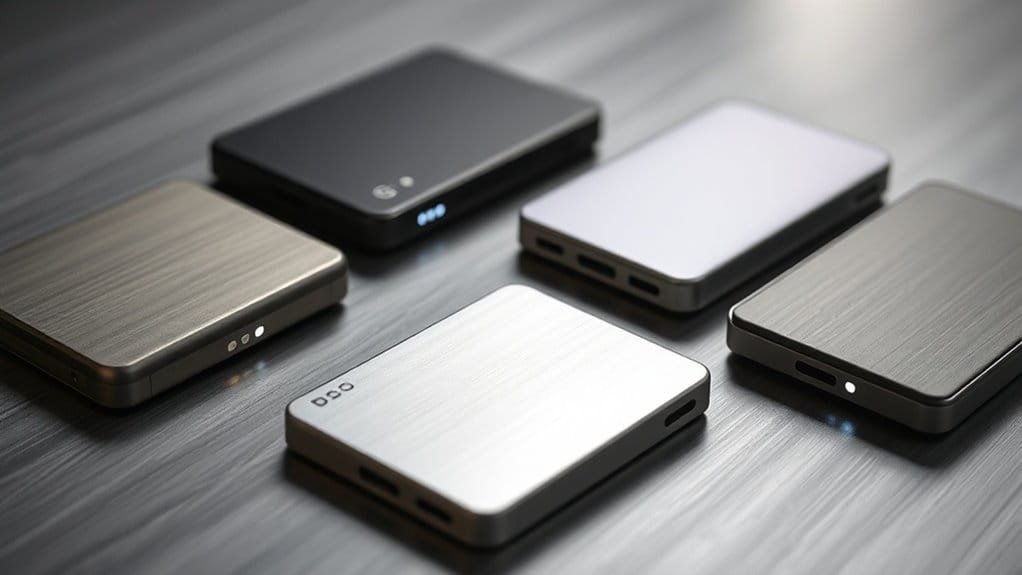
Post-delisting self-custody requires non-custodial wallets to maintain full control over private keys and assets. You must eliminate reliance on any third party. Prioritize wallets with proven security features like 2FA and biometric access to protect your digital assets. Multi-chain functionality is critical for managing a diverse portfolio, as some supported cryptocurrencies may be harder to access after exchange delistings. Select tools with intuitive user interfaces that help you securely execute self-custody practices, from generating to backing up your private keys. Always verify that a wallet’s update roadmap aligns with the evolving ecosystem to ensure long-term compatibility and control.
Implementing Your 2026 Privacy Wallet Strategy
After you’ve chosen a wallet for self-custody, executing a detailed strategy is what will secure your financial privacy against 2026’s heightened surveillance. You must ensure your wallet is non-custodial, meaning you exclusively control your private keys. Consider wallets leveraging Multi-Party Computation (MPC) to distribute key management, enhancing security. Actively utilize built-in privacy features like transaction mixing to obfuscate your financial trail. Fortify your secure access with strong passcodes and implement two-factor authentication. You must vigilantly update wallet software to patch vulnerabilities and defend against emerging threats. For maximum operational security, integrate your setup with a renewable energy source to power your node and wallet infrastructure, reducing both costs and traceability. This disciplined operational approach maintains the integrity of your private assets in a tightening regulatory climate.
Frequently Asked Questions
What Type of Crypto Wallet Is Most Secure for Long-Term Storage?
Choose a hardware wallet with a secure element for maximum security; its cold storage benefits, wallet recovery methods, and biometric access features protect assets long-term better than software wallet security alone.
Can the IRS See Your Crypto Wallet?
Let’s clear the air: the IRS can often connect your wallet to your identity. Their transaction tracking tools and your exchange reporting requirements make audit risks real, highlighting key privacy concerns and tax implications for your digital assets.
What Is the Best Hardware Wallet to Store All My Coins?
For comprehensive multi-currency support, prioritize wallet security features from top brands like Ledger or Trezor. Your best hardware wallet choice balances robust firmware updates, secure recovery options, and positive user experience reviews for superior value.
Which Cold Wallet Has Never Been Hacked?
Consider an impeccable security record in your hardware wallet comparison; Trezor’s longstanding reputation remains untarnished, thanks to its robust wallet encryption methods and open-source approach that prioritizes your crypto’s safety through proven offline storage benefits.
Summarizing
Remember, your wallet is your fortress. Look at BlackRock’s 2025 tokenization platform; they integrated hardware wallets for compliance without sacrificing user control. This proves that secure, private self-custody can align with the new ecosystem. Choose your wallet deliberately, set it up correctly, and you’ll secure both your assets and your financial sovereignty in 2026.

