

Start by choosing a non-custodial wallet that supports CoinJoin and generates new addresses. Acquire crypto anonymously via P2P platforms and separate your funds into distinct wallets. Use coin control, avoid address reuse, and always conceal your IP with a VPN or Tor. Make these practices a consistent habit to protect your financial identity. Staying ahead requires understanding the full strategy, which we’ll explore next.
Table of Contents
Brief Overview
- Use non-custodial wallets with new addresses for each transaction.
- Acquire crypto anonymously via peer-to-peer platforms or cash ATMs.
- Route trading activity through a VPN or Tor to mask your IP.
- Implement CoinJoin to mix transactions and obscure on-chain links.
- Store most assets offline in cold wallets, withdrawn only as needed.
Choose a Privacy-Focused Crypto Wallet
Since a privacy-focused crypto wallet is your first line of defense, choosing one that goes beyond basic functionality is critical. You must select a non-custodial wallet that gives you full control of your private keys. This ensures only you access your funds and history. Look for features that directly enhance your privacy, like support for CoinJoin to obscure transaction trails. The wallet should automatically generate new receiving addresses to prevent address reuse, a common vulnerability. Robust encryption for your private keys is non-negotiable, safeguarding them even if your device is compromised. For long-term viability, ensure your wallet’s approach aligns with principles for balancing anonymity with regulatory adherence. By prioritizing these elements, you’re building a foundational layer of safety for your assets.
Secure Your Assets With Non-Custodial Wallets
With control of your private keys established, securing assets begins with the operational security of a non-custodial wallet. Utilize one to generate a new bitcoin address for each transaction; this basic privacy tip breaks the on-chain link between your activities. Essential security measures include pairing your software wallet with a hardware signing device to keep keys offline. Always withdraw funds from exchanges directly to your personal non-custodial wallets to minimize exposure. Maintain encrypted backups of your recovery phrase in secure locations, and keep your wallet software updated to protect against new vulnerabilities. For enhanced confidentiality akin to privacy-focused coins, consider exploring wallets that support fully shielded transactions for certain assets. These practices ensure you retain sovereign control while actively mitigating risks.
Acquire Crypto Anonymously Without KYC
After securing your assets in a non-custodial wallet, acquiring cryptocurrency without disclosing your identity to a centralized exchange is the next logical step for privacy. You can acquire crypto anonymously using peer-to-peer platforms or decentralized exchanges that don’t require KYC. Consider purchasing with cash at non-KYC Bitcoin ATMs for enhanced personal safety. Trading directly into privacy-focused cryptocurrencies like Monero on these platforms leverages their built-in anonymity features, such as ring signatures and stealth addresses, from the start. Always ensure the crypto you acquire is sent directly to your own non-custodial wallets, maintaining full control and severing the link to any purchase platform. This approach minimizes exposure and protects your financial footprint.
Separate Your Funds Into Distinct Wallets
Anonymous acquisition of crypto is only the first step; your wallet management determines how effectively that privacy is preserved. You must actively separate your funds into distinct separate wallets for different purposes like savings, spending, and receiving income. For each receipt of funds, always generate a new address. This compartmentalization prevents transaction graph analysis from linking your entire financial profile together. For maximum untraceability, consider using privacy coins that employ technologies like stealth addresses for each transaction. Prioritize using non-custodial wallets where you control the private keys; this is fundamental for both privacy and crypto security. Regularly audit these wallets to ensure their usage aligns with your core privacy goals, adjusting your strategy as the regulatory and threat landscape evolves.
Use Coin Control and Avoid Address Reuse

Even though you might generate a new address for each transaction, your wallet’s transaction history can still link your activities. For robust privacy, you must use coin control features and strictly avoid address reuse. Coin control allows you to manually select which specific coins to spend, preventing the inadvertent merging of different funds that could expose your total holdings. Always use a new receiving address for every incoming transaction; reusing an address creates a permanent, public ledger that directly links all related payments. For even stronger obfuscation, consider using a wallet that integrates features like coin mixing found in privacy-centric cryptocurrencies. Remember, custodial wallets typically deny you these critical tools, forcing you to forfeit control. Managing your transaction history this way is a foundational step for protecting your financial footprint.
Obscure Transaction Trails With CoinJoin
While Bitcoin’s blockchain is public and transparent, its traceability can be compromised through collaborative mixing. You achieve this by using CoinJoin, a method where multiple participants pool their inputs into a single transaction. This process deliberately obscures the link between the sending and receiving addresses, breaking the common heuristic that observers use to track funds. Your Bitcoin privacy improves significantly as these mixed transactions no longer clearly belong to a single entity. Implementations like Wasabi or Samurai Wallet simplify this mixing for you. To maximize safety, always combine CoinJoin with other practices, like generating new addresses for each transaction.
Conceal Your IP Address and Device Fingerprints
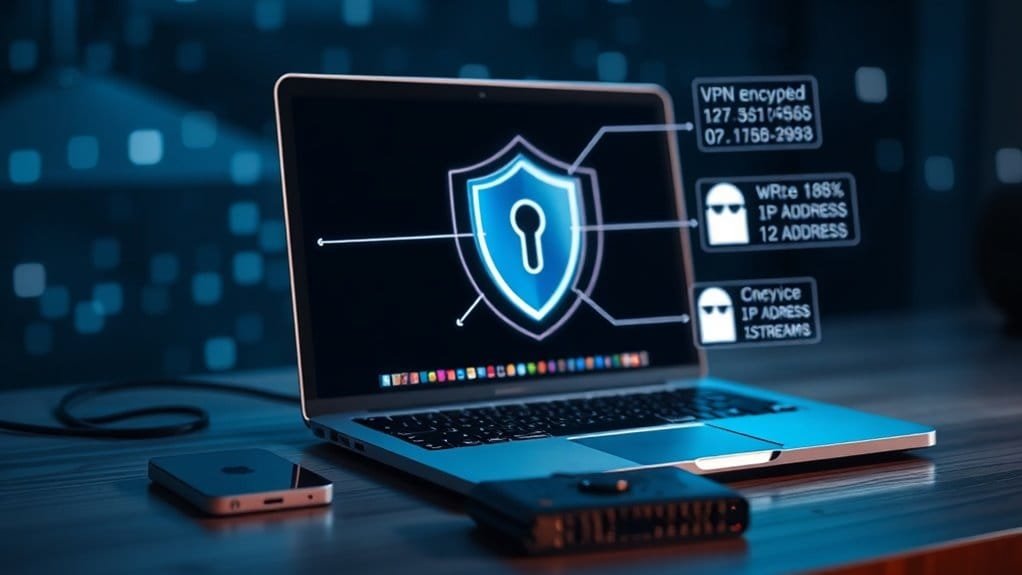
Because blockchain analysis can extend beyond the ledger, obscuring your digital footprint is critical for trading privacy. First, mask your real IP address by using a reputable VPN, encrypting your connection. This prevents third parties from easily geolocating your trades. Further, regularly clear your browser cookies and cache to combat device fingerprinting. For heightened security, consider booting from privacy-focused operating systems like Tails, which leaves no persistent trace. Finally, prioritize using decentralized exchanges that don’t require KYC; they don’t collect the personal data that can link your IP address to your wallet activity. Layering these methods creates significant obstacles for anyone attempting to profile your trading behavior.
Route All Traffic Through Tor or a VPN
To keep your online trading activity private, you must route all your internet traffic through a network like Tor or a reputable VPN. Tor anonymizes your connection by routing it through multiple servers, greatly enhancing your privacy when you access exchanges. A VPN encrypts your traffic, adding a critical layer of security for your crypto transactions against eavesdropping. For maximum security, you can use both tools together to further obfuscate your online presence. Choose a VPN service known for robust security and a strict no-logs policy to prevent IP leaks. This practice makes it significantly harder for third parties to trace your trading actions back to you.
Understand the 2026 Regulatory Threat Landscape

Regulations like MiCA and the FATF Travel Rule mandate extensive KYC/AML data collection and transaction reporting from exchanges. This creates a comprehensive log of your activity. As a regulatory response, authorities increase their scrutiny of privacy coins, viewing them as a challenge. This pressure can lead to outright bans, directly affecting your access to these assets. For any crypto asset you hold, anticipate enhanced surveillance technologies designed to deanonymize blockchain transactions. This landscape makes the inherent privacy of some digital currencies a focal point for restriction. Your trading safety now depends on recognizing that using regulated services inherently links your identity to your entire transaction history.
Make Privacy a Habit, Not an Afterthought
While individual transactions might be fragmented across services, the logs compiled by regulated exchanges in 2026 create a persistent, linkable financial identity for every user. You must build proactive defenses into your daily routine. Always generate a new address for receiving each payment of any digital currency. Use privacy-enhancing tools like CoinJoin for on-chain transactions, a method also utilized by coins like Dash for transaction mixing. Store the majority of your assets in a cold wallet kept in secure locations, withdrawing only what you need to trade. Activate strong authentication on every account and use a VPN to mask your IP during sessions. Critically, never discuss holdings publicly. This layered, habitual practice is your primary shield.
Frequently Asked Questions
What Is the 1% Rule in Crypto?
The 1% rule limits your risk to 1% of your capital per trade. You’ll manage volatility better, preserving funds for using crypto anonymity techniques and privacy coin comparisons on secure platforms.
Can FBI Track BTC Wallet?
Absolutely. The FBI routinely tracks BTC wallets through sophisticated blockchain analysis, so you must prioritize transaction obfuscation and ironclad wallet security. For stronger protection, consider privacy coins that are inherently resistant to this surveillance.
What Is the 30 Day Rule in Crypto?
The 30 day rule is a tax strategy where you hold assets for 30+ days, potentially lowering capital gains rates. Combine it with crypto privacy strategies, trading anonymity tools, and decentralized exchanges benefits to enhance safety.
How to Keep Crypto Private?
Start with privacy coins like Monero, then use Coin mixers and decentralized exchanges for Bitcoin trades. Always employ a VPN for connection anonymity. Combine techniques, don’t rely on one method.
Summarizing
Make privacy your protocol, not a plug-in. Think of it as a routine, not a reaction. Use these tools as a habit, not a hassle. You’ll shield your strategies, obscure your on-chain links, and trade with confidence. In this transparent world, your financial sovereignty is the ultimate edge. Take these steps to keep it.

