


Trusted user reviews are essential because they verify a wallet’s real-world security beyond promotional claims. You’ll find that integrated privacy features and open-source code are key positive indicators. Examine cold storage reviews for Trezor’s transparency and Ledger’s strong security, while mobile wallet feedback highlights usability. Always cross-reference user experiences with expert analyses and check community forums. To make an informed choice, you’ll want to consider a few critical factors next.
Table of Contents
Brief Overview
- Trusted user reviews uncover critical security vulnerabilities in wallets through real-world testing.
- Prioritize open-source wallets with documented security audits from reputable third-party firms.
- Integrated privacy features within wallets are more secure and reliable than add-on tools.
- Analyze negative user feedback for patterns of security failures or inadequate support.
- Community forums offer candid pseudonymous discussions on wallet security and user experiences.
Why Trusted Reviews Are Non-Negotiable for Privacy Wallets

Because a privacy wallet’s promotional claims mean nothing without operational verification, you must rely on trusted reviews for real-world security assessment. These reviews analyze if advertised features, like multi-signature support, function correctly under pressure. They expose real performance issues, such as unexpectedly high transaction fees or slow processing, that you won’t find in a spec sheet. Crucially, community experiences often uncover critical vulnerabilities, pushing developers to implement more robust security measures. Reviews also assess how wallets navigate the complex regulatory environments crucial for long-term viability. By aggregating expert recommendations and user feedback, trusted reviews cut through marketing to show you which privacy wallets deliver genuine security versus those that compromise it for convenience. This collective scrutiny is your essential defense in a high-stakes environment.
The Privacy Wallet Difference: Integrated vs. Add-On Anonymity
While you’re navigating the 2026 regulatory landscape, your choice between integrated privacy wallets and add-on anonymity tools fundamentally defines your security posture. An integrated privacy wallet, like one for Monero, has anonymity features built directly into its protocol, using advanced cryptographic techniques like ring signatures and RingCT for transaction confidentiality. This seamless approach strongly protects your privacy standards and simplifies the user experience. Conversely, add-on anonymity solutions bolt onto a standard wallet, creating potential weak points. They often lack robust community support for updates and can fail under scrutiny, compromising your transaction confidentiality. For a truly secure wallet, integrated solutions offer a more reliable, auditable foundation against evolving threats.
Which Security Features Matter Most in Privacy Wallet Reviews?
Ultimately, what security features define a trustworthy privacy wallet in 2026? You prioritize fundamental hardware-based security. The paramount feature is keeping your private keys offline on a dedicated chip, isolated from internet-connected devices. Your wallet should also offer multi-signature support for shared fund control and robust two-factor authentication for account access. Biometric authentication adds a critical layer against unauthorized physical use. Crucially, the trustworthiness of a wallet’s security features is often validated by its open source code, allowing public scrutiny. Finally, consistent software updates from the developer are non-negotiable; they patch vulnerabilities and maintain your wallet’s integrity against evolving threats. These elements form your essential security checklist. This focus on offline key storage aligns with the core principles of privacy coins like Monero and Zcash, which utilize advanced cryptography such as zk-SNARKs to ensure transaction confidentiality.
Decoding Cold Storage Reviews: Trezor and Ledger Under Scrutiny
When you’re managing a privacy coin portfolio, securing your assets offline in a cold storage wallet is your foundational defense against remote threats. Your choice between leading hardware wallets like the Trezor Safe and Ledger Nano X involves key trade-offs. The Trezor Safe offers open-source code for verification and a certified secure element. The Ledger Nano X provides strong security features but is closed-source, which can raise concerns. Usability factors, like screen clarity and button design, also differ. Your decision ultimately hinges on weighing transparent, auditable design against other implemented protections, aligning with your specific user preferences for ultimate asset safety in cold storage. This is especially critical given that privacy coins use advanced encryption technology to ensure untraceable transactions.
Interpreting Mobile Wallet Feedback: Cake and Monerujo Experiences
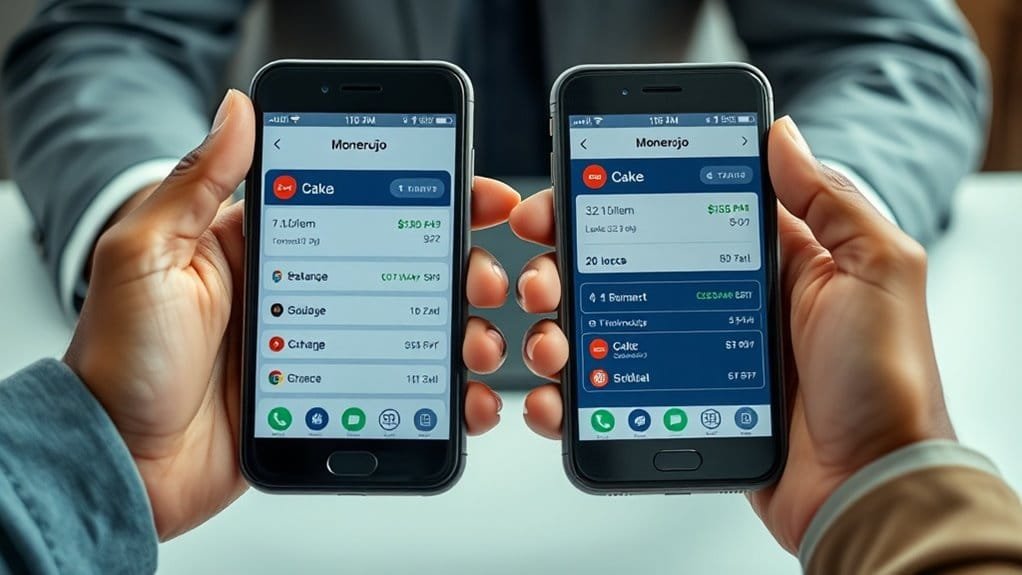
- Cake Wallet receives consistent praise for its user-friendly interface and seamless integration of assets like Monero and Bitcoin, making management intuitive.
- Its robust security features, including biometric locks, directly protect your digital assets.
- Monerujo, designed solely for Monero, prioritizes core privacy with integrated tools for stealth addresses, which are fundamental to Monero’s use of ring signatures.
- Users highlight its reliable transaction handling, though some note occasional sync delays.
- Both apps are commended for responsive customer support, with Cake’s community driving rapid, safety-focused updates.
What Desktop Wallet Reviews Reveal: Feather and Wasabi Insights
User reviews of desktop wallets like Feather and Wasabi consistently highlight the critical balance between usability and uncompromising privacy. Feather Wallet offers a user-friendly interface paired with a lightweight design for efficient performance. Wasabi Wallet specializes in Bitcoin transactions, employing advanced CoinJoin technology to enhance transaction confidentiality and prevent blockchain analysis. Both emphasize robust security features, including Wasabi’s built-in Tor integration. Their commitment to open-source development allows for community scrutiny, ensuring their privacy and security protocols remain trustworthy. You benefit from Feather’s accessible management and Wasabi’s dedicated anonymity, knowing each wallet’s architecture prioritizes your safety through continuous, transparent improvement. This approach aligns with the core principles of leading privacy coins, which use advanced cryptographic techniques like zero-knowledge proofs to provide financial confidentiality.
Does the Wallet Support Your Privacy Coins of Choice?
- Confirm support for coins like Monero or Zcash, as many popular wallets explicitly exclude them.
- Research hardware options; some Trezor and Ledger models support specific privacy coins, but compatibility varies.
- Prioritize non-custodial software wallets built for privacy, which often integrate features like CoinJoin.
- Verify the wallet receives frequent updates to maintain security and coin support amidst changing regulations.
- Choose tools that actively develop features to preserve transactional anonymity against evolving surveillance.
Key Red Flags in User Reviews: Security and Privacy Failures
When evaluating wallet security, you should treat user reviews as a critical forensic tool, because they often reveal systemic vulnerabilities before they become headlines. Scrutinize complaints about poor security practices, especially if they involve hot wallets, which are inherently more exposed. Consistent reports of inadequate customer support during crises signal operational failure. A lack of open-source transparency obscures how your private keys are managed. Avoid custodial wallets where you don’t control your keys, as their solvency dictates your access. Reviews that note the absence of critical security features, like multi-signature support, indicate a wallet that hasn’t prioritized your asset’s fundamental protection. These patterns in user reviews form a clear warning system.
Positive Trust Indicators: Transparency and Audit History
Identifying what to distrust is only one part of the assessment; you must also actively seek out signs of a wallet’s long-term reliability. You should prioritize wallets that demonstrate verifiable commitment to your safety.
- Transparency through open-source wallets, whose code is available for public scrutiny.
- A documented audit history from reputable firms conducting security audits.
- Clear privacy policies detailing their handling of your user data.
- Active community engagement where users discuss experiences and updates.
- A transparent record of any security incidents and their resolution, directly building user trust.
How 2026 Regulations Shape What Reviews Say (And Don’t Say)
While navigating wallet reviews in 2026, you’ll notice a decisive shift toward compliance. You’ll see user reviews consistently praising transparency in security disclosures, now mandated by law. These discussions focus heavily on mandatory third-party audits, which verify a wallet’s best security claims. Secure Coin Wallets distinguish themselves by detailing their adherence to privacy regulations and robust AML practices. Consequently, user reviews for cryptocurrency wallets now serve as a public ledger of regulatory adherence, often highlighting certified compliance over untested features. This environment pushes unverifiable or non-compliant options out of mainstream discourse, focusing your search on proven, accountable solutions.
How to Verify and Cross-Reference User Wallet Reviews

Because the trustworthiness of a wallet review depends heavily on its source, you must verify and cross-reference user feedback across multiple platforms. Isolating feedback to one source risks missing critical consensus on wallet security or undisclosed flaws. Your diligence directly impacts the safety of your assets.
- Aggregate user sentiment by scouring multiple cryptocurrency forums, app stores, and Reddit to identify consistent praise or complaints.
- Prioritize recent reviews to ensure comments reflect the wallet’s current security posture after updates.
- Look beyond the volume of positive feedback; analyze the substance of negative reports for genuine security concerns.
- Validate claims about a best crypto wallet by comparing user reviews with independent expert analyses from security researchers.
- Cross-reference technical assertions on features like transaction anonymity or key management with official documentation.
The Role of Community Forums and Code Repositories
Since you’re evaluating wallet security, you’ll need to examine its open-source heartbeat: the community forums discussing its use and the code repositories where it’s built. Scrutinizing the source code on platforms like GitHub provides essential transparency, letting you verify the software’s integrity yourself. Actively monitored community forums aggregate real user experiences, which can surface early warnings about potential security vulnerabilities. This collective vigilance leads to faster bug resolution, as developers can directly address reported issues. You can also track official development updates and security patches through commits. Engaging here allows you to learn shared best practices for protecting your digital assets, turning individual concern into a network of verified safety.
Balancing Anonymity With Usability in Trusted Reviews
How do you actually verify a wallet’s security without sacrificing its convenience? You rely on trusted user reviews that balance anonymity with usability. Many platforms allow pseudonymous feedback, protecting your identity while encouraging honest reports. This ecosystem helps you assess secure coin wallets effectively.
- Seek platforms where user ratings and detailed comments are posted with user-controlled anonymity.
- Prioritize reviews that discuss specific security features alongside the wallet’s user-friendly interface.
- Value transparency in how a wallet’s development team handles and protects user data.
- Understand that the wider cryptocurrency community often favors usability when a wallet’s core security is robust.
- Use aggregated feedback to gauge real-world reliability without compromising your personal privacy.
Build Your Personal Wallet Evaluation Checklist
With trusted reviews helping filter your options, the next step is creating a personal framework for assessment. Start by determining if a hot and cold storage model suits your usage; a Best Bitcoin wallet for daily use differs from a long-term vault. Systematically audit each candidate’s security features, like multi-signature support and wallet recovery processes. Verify the supported cryptocurrencies align with your portfolio. Prioritize strong customer support and an intuitive user experience, ensuring mobile compatibility if needed. Finally, understand all transaction fees to avoid hidden costs. This checklist transforms subjective reviews into an objective, safety-focused evaluation for your specific needs.
Frequently Asked Questions
What Is the Safest and Most Secure Crypto Wallet?
Choose a hardware wallet for its isolated security. You control the private keys. Prioritize strong security features, backup your recovery phrase properly, and consider multi-signature options for significant holdings despite transaction fees and usability trade-offs.
Can I Withdraw Money From a Trust Wallet?
Withdraw fiat? No, not directly. You’ll use Trust Wallet’s swap features and transfer options to an exchange first. You then sell for cash, so consider transaction fees and support services before initiating.
Is Coinbase or Trust Wallet Better?
Coinbase Wallet simplifies your start with greater ease of use and support, while Trust Wallet benefits you with broader mobile accessibility to dApps and control over a vast array of supported cryptocurrencies.
Can the IRS See Your Crypto Wallet?
As the saying goes, “the walls have ears.” The IRS can’t directly see your wallet, but they use blockchain transparency and wallet tracking methods to trace transactions, making reporting crypto holdings a legal necessity.
Summarizing
Think of your coins as a priceless manuscript. You wouldn’t store it in a glass case on the street. These reviews are the architectural blueprints from those who’ve survived storms and sieges. Let their hard-won experience be your guide. Your final choice isn’t just a purchase; it’s the foundation of your own digital vault. Build it with their wisdom.

